









The end of the road for a great: Toyota Celica(1971-2005)

Thread Starter
Speaks French in Russian


Joined: Oct 2002
Posts: 13,397
Likes: 100
From: What is G?
 The end of the road for a great: Toyota Celica(1971-2005)
Man, will this car be missed. Such an outstanding car with such an outstanding value and HUGE following. It greatly added fun and sport to the Toyota line. You shall be missed. 
Celica was originally designed for motorists who were young at heart and wanted more than simple transportation. Planning for the Celica was begun in 1967, and the vehicle was released to the public in 1971. Based on the EX-1 "Car of the Future" prototype, its styling was quite revolutionary for the day and it was influential in the establishment of the sporty subcompact market segment.
The original Celica was equipped with a carbureted four-cylinder engine displacing 1.6 liters. Available only in ST form and as a two-door sport-coupe, the Celica was Toyota's version of the Mustang - an image car rather than a high-volume car. The Celica sold well from the outset, its first major change or addition taking place in 1974 with the addition of the GT model. Introduction of the GT brought with it a two-liter engine that would, in various versions, power Celicas for the next 11 years.

In 1976, the Celica line was enlarged with the addition of the liftback model, available only in GT trim. The GT package included the larger engine, offered sportier handling, higher-grade trim, etc. The liftback model was marketed as a sport-touring type vehicle, offering greater comfort and luggage capacity than the notch-back models.

The second generation Celica was released in 1978, and was again available in both ST and GT trim levels. Power was provided by 2.2-liter engines for both models. This new generation offered more safety, power and economy than previous models, and was awarded Motor Trend's "Import Car of the Year" for 1978.

1982 saw the introduction of the third generation Celica. Styling was changed considerably from previous models and power was now provided by 2.4-liter engines. In 1983, Toyota added the GT-S model to the Celica line to re-inject the sports image that Celica had lost as it grew larger and heavier with each subsequent model. The GT-S included larger wheels and tires, fender flares, sports suspension, and a sports interior including special seats and a leather-wrapped steering-wheel and gearshift ****.

For 1986, Celica changed completely. It was an all-new vehicle with front-wheel-drive, a rounded, flowing body and new 2.0-liter four-cylinder twin-cam engines. Celica was now available in ST, GT and GT-S trim, all available as either coupe or liftback models. STs and GTs came with a 116-horsepower engine, while the GT-S was given a 135-horsepower version of the same 2.0-liter engine. Front-wheel-drive and four-wheel independent suspension made the Celica the perfect all-around sports car.
In 1988, Toyota introduced the "ultimate Celica", the All-Trac Turbo. With full-time all-wheel-drive and a turbocharged 2.0-liter engine, it immediately took its place as the flagship of the Celica range.

The next generation Celicas, the fifth, were introduced in 1990. They received revised styling, upgraded wheels and tires, and more power. The GT and GT-S engines grew to 2.2-liters, while the ST sported a 1.6-liter -- all were DOHC 16-valve. Anti-lock brakes were available on all models, as were numerous luxury items -- all were standard on the All-Trac model though. With its leather interior, ten-speaker sound system and power-operated driver's seat and sunroof included as standard equipment, the All-Trac was the most expensive Celica yet. With its 200-horsepower turbocharged engine, it was also the most powerful Celica yet.

Celica was originally designed for motorists who were young at heart and wanted more than simple transportation. Planning for the Celica was begun in 1967, and the vehicle was released to the public in 1971. Based on the EX-1 "Car of the Future" prototype, its styling was quite revolutionary for the day and it was influential in the establishment of the sporty subcompact market segment.
The original Celica was equipped with a carbureted four-cylinder engine displacing 1.6 liters. Available only in ST form and as a two-door sport-coupe, the Celica was Toyota's version of the Mustang - an image car rather than a high-volume car. The Celica sold well from the outset, its first major change or addition taking place in 1974 with the addition of the GT model. Introduction of the GT brought with it a two-liter engine that would, in various versions, power Celicas for the next 11 years.
In 1976, the Celica line was enlarged with the addition of the liftback model, available only in GT trim. The GT package included the larger engine, offered sportier handling, higher-grade trim, etc. The liftback model was marketed as a sport-touring type vehicle, offering greater comfort and luggage capacity than the notch-back models.
The second generation Celica was released in 1978, and was again available in both ST and GT trim levels. Power was provided by 2.2-liter engines for both models. This new generation offered more safety, power and economy than previous models, and was awarded Motor Trend's "Import Car of the Year" for 1978.
1982 saw the introduction of the third generation Celica. Styling was changed considerably from previous models and power was now provided by 2.4-liter engines. In 1983, Toyota added the GT-S model to the Celica line to re-inject the sports image that Celica had lost as it grew larger and heavier with each subsequent model. The GT-S included larger wheels and tires, fender flares, sports suspension, and a sports interior including special seats and a leather-wrapped steering-wheel and gearshift ****.
For 1986, Celica changed completely. It was an all-new vehicle with front-wheel-drive, a rounded, flowing body and new 2.0-liter four-cylinder twin-cam engines. Celica was now available in ST, GT and GT-S trim, all available as either coupe or liftback models. STs and GTs came with a 116-horsepower engine, while the GT-S was given a 135-horsepower version of the same 2.0-liter engine. Front-wheel-drive and four-wheel independent suspension made the Celica the perfect all-around sports car.
In 1988, Toyota introduced the "ultimate Celica", the All-Trac Turbo. With full-time all-wheel-drive and a turbocharged 2.0-liter engine, it immediately took its place as the flagship of the Celica range.
The next generation Celicas, the fifth, were introduced in 1990. They received revised styling, upgraded wheels and tires, and more power. The GT and GT-S engines grew to 2.2-liters, while the ST sported a 1.6-liter -- all were DOHC 16-valve. Anti-lock brakes were available on all models, as were numerous luxury items -- all were standard on the All-Trac model though. With its leather interior, ten-speaker sound system and power-operated driver's seat and sunroof included as standard equipment, the All-Trac was the most expensive Celica yet. With its 200-horsepower turbocharged engine, it was also the most powerful Celica yet.
Thread Starter
Speaks French in Russian
Joined: Oct 2002
Posts: 13,397
Likes: 100
From: What is G?
For 1994, Toyota pulled out all the stops. The sixth-generation Celicas bore very little resemblance to their previous brethren. Celica was only available in ST and GT configuration for the 1994 model year, but the addition of the optional "sports package" to the GT produced GT-S-like handling. The All-Trac model was dropped, and for 1994 there was no convertible. Styling of the new Celicas was acclaimed by most publications as "Supra-esque" with four exposed headlights. Celicas were available in either coupe or liftback form, with the GT sports package available only on the liftback.
New safety equipment in the form of driver- and passenger-side airbags was standard, and anti-lock brakes were available on all models. Celicas also sported CFC-free air-conditioning.
1995 saw the introduction of the third generation convertible. Built off of the GT Coupe model, the conversion takes place in the ASC facility in Rancho Dominguez, Calif. The vehicle arrives in the U.S. as a partially assembled vehicle. At ASC, the roof is removed and a three-layer insulated and power-operated top is installed, producing a vehicle that is virtually water and wind proof.
The 1996 Celica received optional side skirts to improve its aerodynamic efficiency, as well as a redesigned rear spoiler. Also available were optional driving lights in the redesigned grille area (standard on GT models).
For 1997, the only change in the Celica was the discontinuation of the GT Coupe model.
In 1998, the ST model was discontinued to simplify the Celica ordering process. All Celicas (Coupe, Liftback and Convertible) were now GT model’s. All ‘98 Celicas included additional standard equipment, making Celica a better value.
In 1999, the Celica ordering process was simplified even further with the elimination of the Coupe grade. Celica was now available in GT Liftback and GT Convertible.


For 2000, Celica went back to its performance car roots by entering its seventh generation with all-new cutting edge styling, powerful performance and an aggressive attitude.
The new Celica was styled at Calty Design Research, Inc., in Newport Beach, Calif. The cab-forward design featured a high-fashion look with Indy-car design elements. Sharp-edged panels, dramatic plunging curves, a tall tail and a radically lowered front fascia were stark contrasts compared to past models. The new Celica was shorter in length, but longer in wheelbase with greatly reduced front- and rear-overhangs.
The Celica GT-S grade was powered by an all-new 1.8 liter, four-cylinder DOHC all-aluminum engine that generated 180 horsepower at 7,600 rpm and 133 lbs./ft. of torque at 6,800 rpm. The GT-S powerplant, co-developed with Yamaha, utilized variable valve timing and lift, with intelligence control (VVTL-i) that increased the intake/exhaust lift when the engine speed was high to improve output and fuel efficiency.
The GT model’s 1.8-liter, four cylinder came equipped with VVT-i and produced 140 horsepower at 6,400 rpm and 125 lbs./ft. of torque at 4,200 rpm.
The GT-S model came with either a six-speed manual transmission or four-speed automatic with sport-shift. The GT version was available in five-speed manual or four-speed automatic transmissions.
The 2001 model carried over with no new changes.
For model year 2002 the Celica carries over unchanged, with the exception of a black mesh cover for the front grille. A Celica Action Package is offered that provides a more aggressive look that adds an aggressive front-bumper, rocker panels and rear aero bumper, which are constructed of durable polyurethane, and an adjustable rear wing.
2003 brought in a few cosmetic changes and new standard and optional equipment.
2005, last year of production.


New safety equipment in the form of driver- and passenger-side airbags was standard, and anti-lock brakes were available on all models. Celicas also sported CFC-free air-conditioning.
1995 saw the introduction of the third generation convertible. Built off of the GT Coupe model, the conversion takes place in the ASC facility in Rancho Dominguez, Calif. The vehicle arrives in the U.S. as a partially assembled vehicle. At ASC, the roof is removed and a three-layer insulated and power-operated top is installed, producing a vehicle that is virtually water and wind proof.
The 1996 Celica received optional side skirts to improve its aerodynamic efficiency, as well as a redesigned rear spoiler. Also available were optional driving lights in the redesigned grille area (standard on GT models).
For 1997, the only change in the Celica was the discontinuation of the GT Coupe model.
In 1998, the ST model was discontinued to simplify the Celica ordering process. All Celicas (Coupe, Liftback and Convertible) were now GT model’s. All ‘98 Celicas included additional standard equipment, making Celica a better value.
In 1999, the Celica ordering process was simplified even further with the elimination of the Coupe grade. Celica was now available in GT Liftback and GT Convertible.
For 2000, Celica went back to its performance car roots by entering its seventh generation with all-new cutting edge styling, powerful performance and an aggressive attitude.
The new Celica was styled at Calty Design Research, Inc., in Newport Beach, Calif. The cab-forward design featured a high-fashion look with Indy-car design elements. Sharp-edged panels, dramatic plunging curves, a tall tail and a radically lowered front fascia were stark contrasts compared to past models. The new Celica was shorter in length, but longer in wheelbase with greatly reduced front- and rear-overhangs.
The Celica GT-S grade was powered by an all-new 1.8 liter, four-cylinder DOHC all-aluminum engine that generated 180 horsepower at 7,600 rpm and 133 lbs./ft. of torque at 6,800 rpm. The GT-S powerplant, co-developed with Yamaha, utilized variable valve timing and lift, with intelligence control (VVTL-i) that increased the intake/exhaust lift when the engine speed was high to improve output and fuel efficiency.
The GT model’s 1.8-liter, four cylinder came equipped with VVT-i and produced 140 horsepower at 6,400 rpm and 125 lbs./ft. of torque at 4,200 rpm.
The GT-S model came with either a six-speed manual transmission or four-speed automatic with sport-shift. The GT version was available in five-speed manual or four-speed automatic transmissions.
The 2001 model carried over with no new changes.
For model year 2002 the Celica carries over unchanged, with the exception of a black mesh cover for the front grille. A Celica Action Package is offered that provides a more aggressive look that adds an aggressive front-bumper, rocker panels and rear aero bumper, which are constructed of durable polyurethane, and an adjustable rear wing.
2003 brought in a few cosmetic changes and new standard and optional equipment.
2005, last year of production.

Driver
Joined: May 2005
Posts: 169
Likes: 0
From: Maryland
I really liked the celica for some time. Really disappointed about discontinue. 
Any word of them bringing it back? concepts?
Also 1 interesting note-
The lotus elise shares the same base engine as the celica.
Its on the toyota planet kaizeem* website..did u know section.
Any word of them bringing it back? concepts?
Also 1 interesting note-
The lotus elise shares the same base engine as the celica.
Its on the toyota planet kaizeem* website..did u know section.
I miss my baby...
Everyday I miss it more. It was so quick for a four banger. Only 130HP and it could take down Mustang GTs.
I want to replace it with a All-Trac one. Black or white.
Everyday I miss it more. It was so quick for a four banger. Only 130HP and it could take down Mustang GTs.
I want to replace it with a All-Trac one. Black or white.
Trending Topics

Lexus Champion
Joined: Apr 2003
Posts: 2,029
Likes: 1
From: California
wow... looks like a great read Magneto... too bad I'm at work.
... and to think... all this history being put out to pasture just because people care more about brand name than anything else.
... and to think... all this history being put out to pasture just because people care more about brand name than anything else.
ClubLexus Stories
Celebrating Lexus & Toyota from Around the Globe
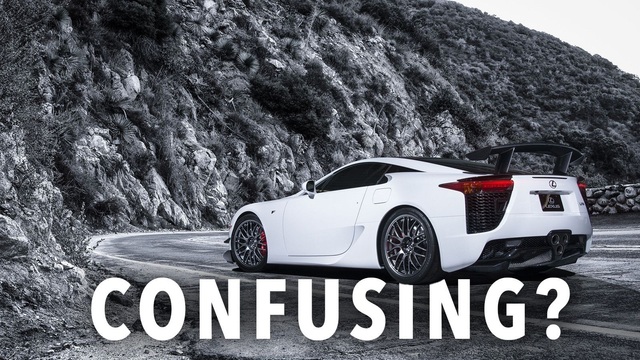
Top 10 Most Confusing Things Lexus Has Ever Done!
Joe Kucinski
2026 Lexus ES Review: Lexus Re-Embraces Founding Principles
Michael S. Palmer
10 Lexus Bargains That are Cheaper Than a New Toyota RAV4
Joe Kucinski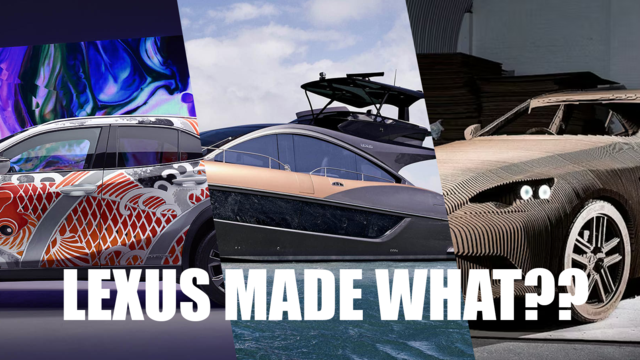
8 Weirdest Things Lexus Has Ever Built
Verdad Gallardo
10 Lexus Designs That Have Aged Like Fine Wine
Verdad Gallardo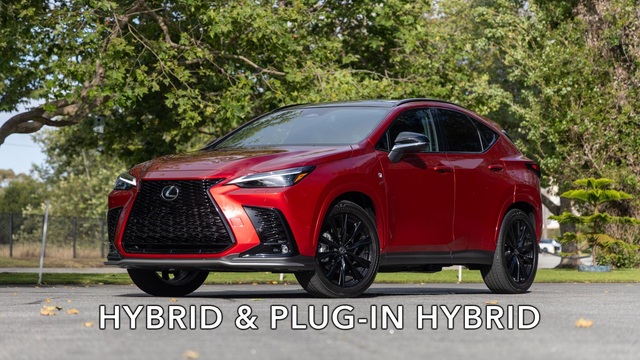
8 Tips for Improving Your Hybrid or Plug-in Hybrid's Efficiency!
Michael S. Palmer
10 Best Lexus Models No One Remembers
Joe Kucinski
TRD Off-Road Premium: Best 2026 4Runner, Except This One Thing
Michael S. Palmer
Top 10 Lexus & Toyotas to Drive Before You Die!
Joe Kucinski


Zombie Slayer

Joined: May 2004
Posts: 6,053
Likes: 3
From: East Bumble F, NJ
Well, the tC is the replacement for the Celica. People have even claimed that tC = Toyota Celica 
Toyota needed to move thier sportier models out since Toyota is viewed as being much more conservative and demure, adversely affecting sales of sportier models.
I like to think the Celica is still alive and kicking as the new soul of the tC!
Toyota needed to move thier sportier models out since Toyota is viewed as being much more conservative and demure, adversely affecting sales of sportier models.
I like to think the Celica is still alive and kicking as the new soul of the tC!

Lexus Fanatic


Joined: Oct 2003
Posts: 94,602
Likes: 271
From: Virginia/D.C. suburbs
I'm a former Celica owner myself. I had a 1995 ST Iris blue coupe .....kept it for 6 years.
Loved it except it was borderline underpowered.
The 2000, IMO opinion, was a joke. Didn't like it when I first saw it and still don't today. Too small, cheap interior, cramped, sits too low, and Hot wheels / Matchbox car styling. The tC is a far better replacement .
Loved it except it was borderline underpowered.
The 2000, IMO opinion, was a joke. Didn't like it when I first saw it and still don't today. Too small, cheap interior, cramped, sits too low, and Hot wheels / Matchbox car styling. The tC is a far better replacement .



Lexus Connoisseur


Joined: Mar 2001
Posts: 19,895
Likes: 609
From: USA
Originally Posted by Stage3
Not to sounds stupid, but which version is this???
This looks like a version I have never seen before, and intrigues me...
This looks like a version I have never seen before, and intrigues me...